

April 8, 2026
What to Expect from an Asphalt Paving Contractor in Boston
What to Expect from an Asphalt Paving Contractor in Boston is one of the most important things a property manager or business owner can understand before starting a commercial paving project. The quality of the work directly impacts safety, durability, and long-term costs.
Key Summary
- Working with an asphalt paving contractor in Boston involves planning, site evaluation, and execution
- The process includes preparation, grading, paving, and finishing
- Clear communication and timelines are critical for commercial projects
- Using tools like the Asphalt Calculator can help estimate project scope
- Choosing the right contractor reduces long-term maintenance and repair costs
What an Asphalt Paving Contractor in Boston Actually Does
An asphalt paving contractor in Boston is responsible for installing, repairing, and maintaining asphalt surfaces for commercial properties. This includes parking lots, roadways, and large-scale industrial surfaces.
The process starts before any asphalt is installed. A qualified contractor evaluates the existing surface, identifies structural issues, and determines the best approach for long-term durability.
If you are comparing providers, reviewing a page like Asphalt Paving Contractor Boston can help you understand what a full-service commercial contractor should offer.
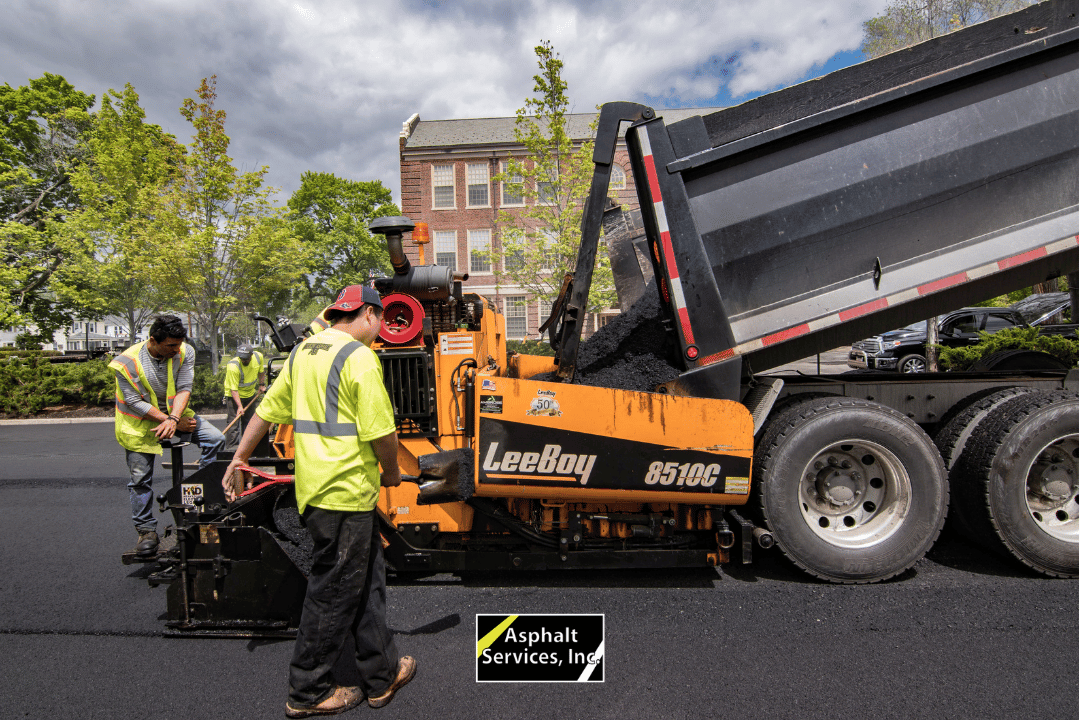
Asphalt repair and patching in Boston
Step 1: Site Evaluation and Project Planning
The first step in any commercial paving project is a full site assessment. The contractor will review:
- Existing asphalt condition
- Drainage and grading
- Traffic patterns and load requirements
- Accessibility and project constraints
This step is critical. Poor planning leads to early failure. Industry data shows that improper base preparation is one of the leading causes of asphalt breakdown.
At this stage, many property managers want to understand project size. Tools like the Asphalt Calculator can help estimate material needs based on square footage and depth.
Step 2: Preparation and Base Work
Preparation is where quality projects are determined. This phase often includes:
- Removing damaged asphalt
- Grading and leveling the surface
- Compacting the base layer
- Addressing drainage issues
A strong base ensures the asphalt can handle commercial traffic. Skipping this step often results in cracking, potholes, and premature repairs.
Step 3: Asphalt Installation
Once the site is prepared, the paving process begins. Hot mix asphalt is delivered and applied using specialized equipment to ensure consistency.
The contractor then compacts the asphalt to achieve the correct density. Proper compaction directly impacts how long the surface will last.
Commercial paving requires precision. Small inconsistencies can lead to uneven wear over time.
Step 4: Finishing and Striping
After installation, the surface is completed and prepared for use. This may include:
- Line striping for parking lots
- ADA compliance markings
- Traffic flow planning
- Final inspection
This step ensures the surface is functional and compliant with local requirements.
How Long Does a Commercial Paving Project Take
The timeline depends on size, weather, and site conditions. Most commercial projects follow a general structure:
- Site preparation: 1–3 days
- Paving: 1–2 days
- Finishing: 1–2 days
Larger or more complex projects may take longer, especially if drainage or structural issues are involved.
What Separates a Good Contractor from a Bad One
Not all contractors deliver the same results. A reliable asphalt paving contractor in Boston should:
- Communicate clearly and set expectations
- Focus on proper preparation
- Use quality materials
- Have experience with commercial projects
Choosing the wrong contractor often leads to higher long-term costs.
Common Mistakes Businesses Make
Many property owners run into issues by focusing only on short-term decisions.
- Choosing the lowest bid without understanding scope
- Ignoring base and drainage issues
- Delaying maintenance
- Not planning for long-term performance
These mistakes often result in costly repairs and operational disruptions.
How to Prepare for Your Project
Before starting a project, businesses should:
- Plan for temporary closures or disruptions
- Communicate timelines internally
- Understand the full scope of work
- Use tools like the Asphalt Calculator to estimate project size
Preparation helps keep the project on track and reduces surprises.
When to Contact a Contractor
If your property has cracking, potholes, or drainage issues, it may be time to act. Addressing issues early can prevent more expensive repairs later.
If you are planning a project, you can Request a Quote or Contact Us to discuss your needs.
Frequently Asked Questions
What does an asphalt paving contractor in Boston do
An asphalt paving contractor in Boston installs and maintains asphalt surfaces for commercial properties such as parking lots and roadways.
How long does a paving project take
A commercial paving project typically takes a few days depending on size, preparation needs, and weather conditions.
How long does asphalt last
Asphalt typically lasts between 15 and 25 years depending on traffic, maintenance, and environmental conditions.
Can I estimate my project before contacting a contractor
Yes. Tools like the Asphalt Calculator allow you to estimate material needs and project size before speaking with a contractor.
What should I expect during a paving project
You should expect a structured process including planning, preparation, paving, and finishing with clear communication throughout.
Related Blogs
Asphalt Driveway Cost Calculator: A Guide for Commercial Properties
A commercial driveway takes a different kind of punishment than a parking lot. It's the first thing customers, delivery trucks, and staff drive over every single day, and it's usually [...]
5 Do’s and Don’ts for Boston Asphalt Paving
Discover 5 do's and don'ts for Boston asphalt paving: prioritize drainage, winter prep, maintenance, ADA compliance, and vet contractors for lasting results.
The Complete Guide to Hiring an Asphalt Paving Contractor in Boston
The Complete Guide to Hiring an Asphalt Paving Contractor in Boston is designed to help property managers, facility managers, and business owners make a smart decision before starting a commercial [...]