
November 2, 2026
Asphalt Crack Repair: The Complete Guide for Property Managers
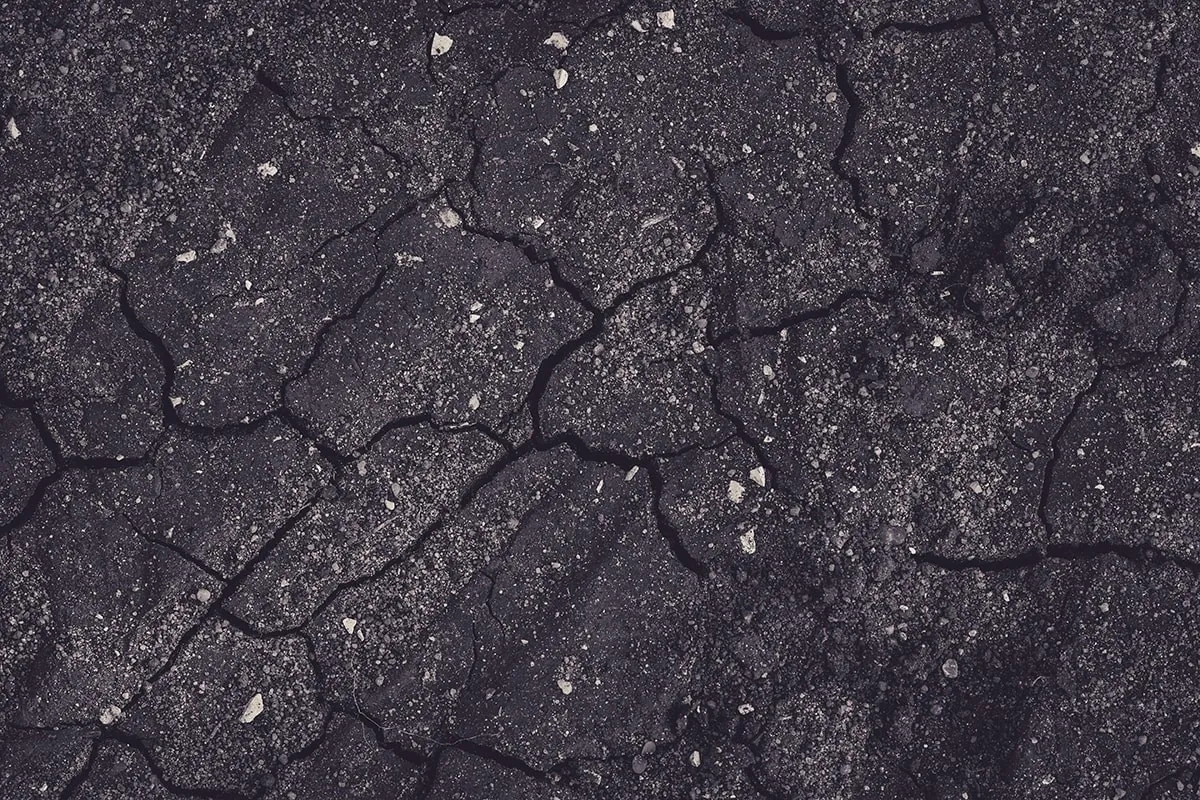
A hairline crack in a parking lot looks harmless, and that is exactly why so many get ignored. Left alone, it lets water in, and water is what turns a small surface flaw into a pothole, a failed section, or a full replacement bill.
This guide covers everything a property manager or facilities director needs to know about asphalt crack repair: what causes cracks, how to tell which type you have, which repair fits which crack, and when the work should happen.
Key Summary
- What it is: Asphalt crack repair is any treatment that stops cracks from letting water into the pavement, from sealing narrow cracks to cutting out and patching failed areas.
- Which fix to use: Narrow, isolated cracks can usually be sealed. Spider-web or “alligator” cracking has to be cut out and patched, and widespread failure points to resurfacing.
- When to do it: Spring and fall, when it is dry and moderate. Early repair costs far less than waiting for potholes.
- What it costs: Pricing depends on crack length, width, and condition. Request a free estimate for exact numbers.
Why Does Asphalt Crack? Common Causes
Asphalt cracks for a handful of predictable reasons, and knowing the cause tells you whether a simple seal will hold. According to Pavement Interactive’s pavement distress reference, which draws on the National Asphalt Pavement Association’s educational materials, the main drivers include:
- Temperature swings: Asphalt shrinks in cold weather and as the binder ages, which produces transverse and block cracking.
- Repeated traffic loading: Fatigue from vehicles over time breaks the surface into the interconnected pattern known as alligator cracking, often because the base or subgrade underneath has weakened.
- Poor joints and construction: Longitudinal cracks often follow a weak seam between paving passes.
- Water and drainage problems: Moisture softens the base, which accelerates every other type of cracking.
New England adds its own pressure. Water works into a crack, freezes, and expands, then thaws and leaves a void under the pavement. The weight of traffic collapses that void, which opens the crack further and eventually becomes a pothole. The same freeze-thaw cycle that makes our winters hard on pavement is why prompt asphalt crack repair matters more here than in milder climates.
Types of Asphalt Cracks and What They Mean
Before you can choose a repair, identify the crack. The table below summarizes the common types and the repair each one usually calls for. A site evaluation will confirm the right call for your lot, since condition and spacing matter as much as the crack pattern itself.
| Crack Type | What It Looks Like | Typical Fix |
|---|---|---|
| Transverse (thermal) | Straight cracks running across the pavement, usually from cold-weather shrinkage. | Crack sealing while narrow |
| Longitudinal | Cracks running the length of the pavement, often along a paving joint or wheel path. | Crack sealing, or patching if the area is breaking down |
| Block | A grid of rectangular cracks across a large area, usually from an aging surface. | Crack sealing for light cases, resurfacing for widespread ones |
| Alligator (fatigue) | Interconnected cracks that look like spider webs, shattered glass, or alligator skin. | Cut out and patch, or resurface or rebuild if widespread. Sealing will not hold. |
| Potholes | Bowl-shaped holes where the surface and base have broken away. | Patching, with the base repaired if water has undermined it |
Crack Sealing: The Right Fix for Narrow Cracks
For straight, narrow cracks, parking lot crack sealing is the most cost-effective form of asphalt crack repair. The cracks are routed clean of debris and vegetation, filled with hot melted rubber, and finished with a coat of black gritty sand so the sealant does not stick to tires or shoes. Sealing promptly can increase the life of your pavement by keeping water out before it damages the base.
Preparation is what separates a seal that lasts from one that peels. The FHWA’s crack treatment checklist calls for routing or sawing a sealant reservoir on working cracks wider than 1/8 inch, blowing the crack clean of dust and debris, and confirming it is dry before any sealant goes in. If a contractor quotes you for “crack sealing” or “crack filling,” ask what prep is included and why it suits your cracks.
Sealing has limits. Not every crack can be filled, because some are simply too wide or too deep, and cracks that have broken into the alligator pattern need a different repair altogether. Once the characteristic alligator pattern appears, repair by crack sealing is generally ineffective. A good contractor will tell you when sealing is not the right answer rather than sealing over a failing area.
Patching: When Cracks Are Too Far Gone to Seal
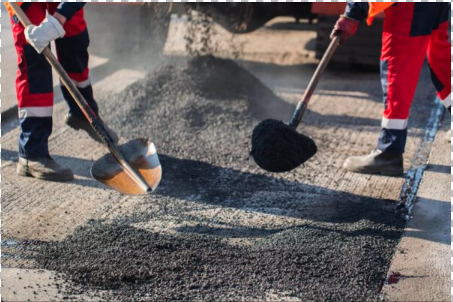
Alligator cracking and potholes call for asphalt patching instead of sealing. The standard method is to saw cut the failed area, excavate it, repair the sub-base, and pave the area back with the standard courses of asphalt. The edges are then sealed with an asphalt emulsion tack coat, which bonds the new and old asphalt together and helps keep the seams from peeling up. Skipping that last step is a common shortcut, so ask whether it is included.
Infrared repair is another option for some failures. It heats the existing asphalt until it is workable, blends in fresh material and additives, then regrades and compacts the area. Which method fits depends on how deep the damage goes, which is why the sub-base condition matters as much as what you can see on the surface.
When to Resurface Instead of Repair
Repairing cracks one at a time has a ceiling. When cracking is widespread, when patches are stacking up year after year, or when the surface is aging across the whole lot, repeated repair can cost more than treating the surface as a whole. In those cases, asphalt resurfacing usually makes more sense if the base underneath is still solid. When the base itself has failed, a full rebuild is the more durable answer.
Our post on whether you need asphalt paving or asphalt repair walks through that broader decision. For a property-specific answer, a site evaluation looks at crack patterns, drainage, and base condition together so you are not guessing.
Best Time of Year for Asphalt Crack Repair
Timing affects how well a repair holds. Crack sealing is best done in moderate temperatures, spring or fall, and is most effective when performed soon after cracks develop. The FHWA’s checklist adds the practical conditions: ambient and surface temperatures typically at least 40°F and rising, no rain on the way, and cracks that are clean and dry, with no moisture or dew in them.
For New England properties, that points to a spring window once the ground has dried out from the thaw, and a fall window before winter sets in. Spring work catches the damage that freeze-thaw created over the winter. Fall work seals cracks before the next round of freezing can drive water into them. Both beat waiting until potholes force the issue.
Crack Repair Before Sealcoating
If you are planning to sealcoat, crack repair comes first. Sealcoat is a thin protective coating, so cracks should be repaired beforehand rather than coated over. That is why sealcoating and striping projects are often scheduled as a sequence: repair, then sealcoat, then restripe the lines. Sorting the cracks first helps the rest of the work last.
How Long Does Asphalt Crack Repair Last?
Crack seal performance varies with the material, how well the crack was prepared, and the traffic and weather the lot sees. Pavement Interactive reports an average performance life of roughly 3 to 8 years, and states that cracks need to be routed out and cleaned before sealant goes in. Seals do wear, so treat them as maintenance that gets inspected and refreshed on a cycle rather than a one-time fix.
Patches that are built properly, with the failed base repaired and the edges tack coated, tend to hold up better than surface-only fixes. A quick patch over a wet, unstable base is the version that fails by the next winter.
What Does Asphalt Crack Repair Cost?
Asphalt crack repair cost depends on how much crack there is, how wide and deep the cracks are, whether any areas need patching rather than sealing, and how much prep work the surface needs. A lot with a few straight cracks costs far less to repair than one with widespread alligator cracking and failed base.
Because every lot is different, we do not publish a flat rate. The most accurate way to get a number is a free, no-obligation estimate. Contact our team or request a proposal and we will walk your property and give you a real quote.
DIY vs. Professional Asphalt Crack Repair
Searching how to fill cracks in asphalt turns up plenty of driveway tutorials, and pouring cold-applied filler into a small crack in a residential driveway is a reasonable weekend job. Parking lot crack repair is another matter. Hot-applied sealant requires routing equipment, heating equipment, and a clean, dry crack to bond, and the difference between a seal that lasts years and one that peels by spring is mostly in that preparation. Misjudging a crack is the other risk: sealing over alligator cracking or a failing base hides the problem for a season and does nothing to stop it.
For a property you are responsible for, a professional evaluation also gives you a documented assessment of the whole lot, which helps with budgeting repairs across years instead of reacting to each failure.
Crack Repair for Specific Property Types
Crack repair priorities shift with how a property is used. Schools and universities usually schedule repairs during summer or holiday breaks, when lots are empty and walkways can be fully closed off. Retail properties need repairs staged around customer traffic, since open cracks and potholes are a trip hazard and a first impression problem. Properties with heavy truck traffic wear through seals and patches faster, so inspections should come more often.
Asphalt Crack Repair FAQs
Can all asphalt cracks be sealed?
No. Narrow, straight cracks can usually be sealed, but cracks that are too wide or too deep, and alligator cracking, need patching or resurfacing instead.
What is the best time to repair asphalt cracks?
Spring and fall, when temperatures are moderate and the surface is dry. Cracks need to be clean and dry for the sealant to bond.
Should you repair cracks before sealcoating?
Yes. Repair cracks first, then sealcoat, then restripe, so the coating goes over a sound surface.
How much does asphalt crack repair cost?
Cost depends on crack length, width, and condition, and whether any areas need patching. Request a free estimate for an exact number for your property.
Conclusion
Asphalt crack repair is one of the cheapest ways to protect a parking lot, and one of the easiest to put off. Seal narrow cracks early, patch what has failed, and plan resurfacing before repairs stack up. If your lot is showing cracks, now is the time to get ahead of them, before another winter drives water into every one.
Ready to Repair Your Asphalt Cracks?
- 30+ years of commercial paving experience
- Family owned and locally operated
- Full-service paving, crack sealing, and patching
- Serving MA, NH, RI, and CT
Related Blogs
Asphalt Crack Repair: The Complete Guide for Property Managers
A hairline crack in a parking lot looks harmless, and that is exactly why so many get ignored. Left alone, it lets water in, and water is what turns a [...]
Parking Lot Restriping: The Complete Guide for Property Managers
Faded parking lot lines don't just look neglected, they create confusion, slow down traffic flow, and can quietly put your property out of compliance with accessibility requirements. Restriping is one [...]

Asphalt Driveway Cost Calculator: A Guide for Commercial Properties
A commercial driveway takes a different kind of punishment than a parking lot. It's the first thing customers, delivery trucks, and staff drive over every single day, and it's usually [...]