
August 3, 2026
Asphalt Parking Lot 101: A Commercial Property Owner’s Guide
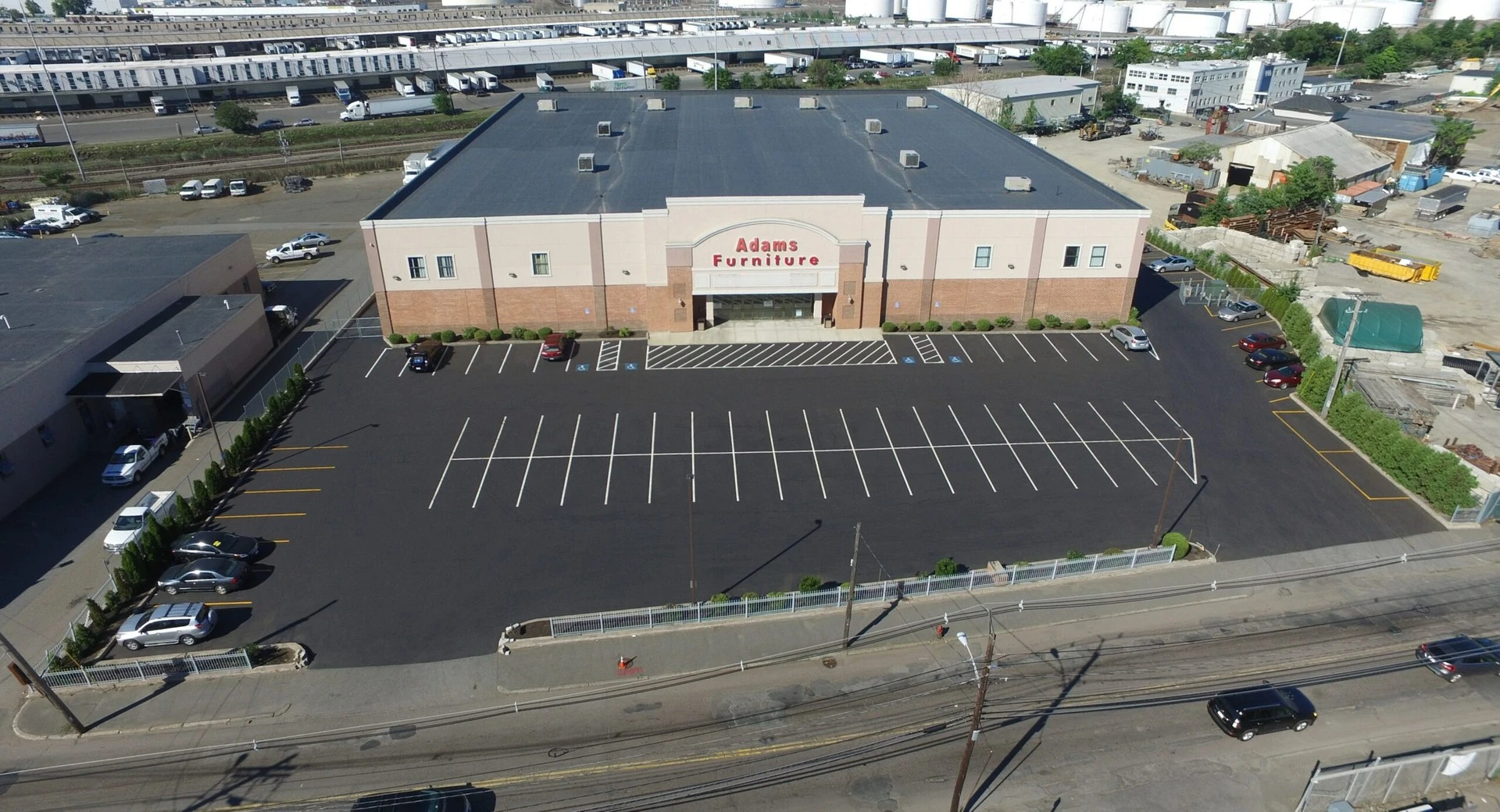
An asphalt parking lot is one of the biggest investments a commercial property owner makes outside the building itself. Done right, it holds up under heavy traffic and brutal New England winters for 15 to 20 years. Done wrong, you’re looking at potholes, drainage problems, and a lot of tenants stop parking in.
This guide walks through what actually goes into installing and maintaining a commercial asphalt parking lot, what it should cost you in the long run, and why property owners across Massachusetts, New Hampshire, Rhode Island, and Connecticut have trusted Asphalt Services, Inc. (ASI) with theirs for over 30 years.
Key Summary
- Why asphalt: Lower upfront cost, faster cure time, and better resistance to freeze-thaw damage than concrete.
- What it takes: A site evaluation, proper base preparation, drainage planning, installation, and finishing.
- How long it lasts: 15 to 20 years with regular sealcoating and crack sealing.
- Who to hire: A contractor with real commercial experience, the right equipment, and a warranty behind their work.
Why Asphalt for a Commercial Parking Lot
Property owners weighing a new asphalt parking lot against concrete usually land on asphalt for a few practical reasons. It costs less upfront, it cures in 24 to 48 hours instead of a week or more, and it flexes instead of cracking when the ground shifts during freeze-thaw cycles, which matters a lot in a New England winter. Concrete can outlast asphalt by a decade, but it costs more to install and is harder to repair when it does crack.
For a deeper side-by-side look at how the two materials compare, our post on 5 do’s and don’ts for Boston asphalt paving breaks down cost, cure time, and lifespan in more detail.
What Goes Into Installing an Asphalt Parking Lot
A commercial asphalt parking lot starts long before any asphalt shows up on site. The process usually looks like this:
- Site evaluation: A proper site evaluation identifies drainage issues, soil conditions, and traffic load before any work begins.
- Excavation and grading: The area is graded and the soil is stabilized so the base can actually support the weight of trucks, delivery vehicles, and daily traffic.
- Drainage: Standing water is the fastest way to destroy a new lot, so site work and drainage planning happens before paving, not after.
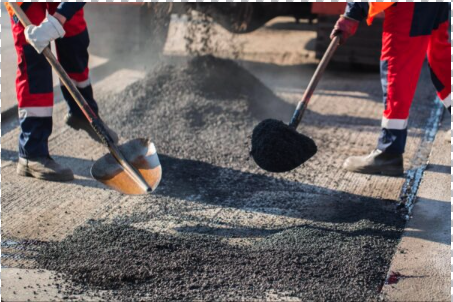
- Paving and compaction: Our commercial paving team installs and compacts the asphalt to the density commercial traffic requires.
- Striping and finishing: Sealcoating and striping protects the surface and adds the lane markings, accessible spaces, and fire lanes your property needs to stay compliant.
New Lot, Resurfacing, or Repair?
Not every property needs a brand new asphalt parking lot. If the base underneath is still solid, asphalt resurfacing can restore the surface at a fraction of the cost of a full rebuild. If the top layer is damaged but the base is fine, milling removes just the damaged portion so a fresh layer can go back down. For lots where the base itself has failed, reclaiming and pulverizing reuses the existing material to rebuild the foundation.
Smaller problems, like isolated potholes or cracking, are usually handled with asphalt patching or crack sealing before they spread. If you’re not sure which category your property falls into, our guide on what to expect from an asphalt paving contractor in Boston walks through how a contractor should evaluate that for you.
Asphalt vs. Concrete at a Glance
Asphalt Parking Lot
- Cure Time: 24-48 hours
- Upfront Cost: Lower
- Winter Performance: Flexible, resists heaving
- Typical Lifespan: 15-20 years
Concrete Parking Lot
- Cure Time: 7+ days
- Upfront Cost: Higher
- Winter Performance: Rigid, prone to cracking
- Typical Lifespan: 30-40 years
Maintaining Your Asphalt Parking Lot
An asphalt parking lot is not a set-it-and-forget-it investment. Crack sealing keeps water out of the base, sealcoating every two to three years protects against UV damage and oil spills, and striping needs to be refreshed as it fades. Winter maintenance matters too. Our snow plowing and removal team understands how to clear a commercial lot without gouging the surface, which is one of the most common ways a new lot gets damaged early.
Every project we complete is backed by our warranty, so you know exactly what’s covered if something goes wrong.
Why Property Owners Choose ASI for Their Asphalt Parking Lot
ASI has been a family-owned paving contractor for more than 30 years, and commercial parking lots make up the core of our work. We’ve paved lots for retail plazas, schools, condominiums and HOAs, apartment communities, and industrial sites across retail, education, and industrial properties throughout MA, NH, RI, and CT.
We own our own milling and reclaiming equipment, which means we’re not waiting on a subcontractor to keep your project moving. You can see examples of completed lots in our project gallery, and hear directly from past clients in our testimonials. If you’re comparing contractors before you commit, our guide on hiring an asphalt paving contractor in Boston covers exactly what to ask before you sign anything.
Frequently Asked Questions
What does installing an asphalt parking lot involve?
Installation involves a site evaluation, excavation and grading, drainage planning, base preparation, paving and compaction, and finishing with striping and any required accessibility markings.
How long does an asphalt parking lot last?
With proper installation and regular maintenance, an asphalt parking lot typically lasts 15 to 20 years. Traffic volume, drainage, and winter maintenance all affect that timeline.
How much does an asphalt parking lot cost?
Cost depends on square footage, site conditions, and how much prep work the property needs. Asphalt is generally less expensive to install than concrete, which is part of why it’s the more common choice for commercial lots.
Do I need a new lot or just resurfacing?
If the base underneath is still solid, resurfacing is usually enough. Widespread cracking, potholes, or drainage failure usually point to a full rebuild.
Does ASI offer a warranty?
Yes. Details on what’s covered are available on our warranty info page.
Conclusion
A well-built asphalt parking lot protects your property’s value and keeps everyone who visits it safe. Getting there takes the right base work, the right materials, and a contractor who treats your lot like it’s the only one on their schedule that day.
Ready to Build a Parking Lot That Lasts?
- 30+ years of commercial paving experience
- Family owned and locally operated
- Full-service paving, drainage, and maintenance
- Serving MA, NH, RI, and CT
Related Blogs
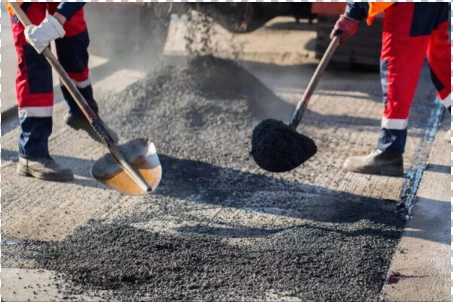
Asphalt Driveway Cost Calculator: A Guide for Commercial Properties
A commercial driveway takes a different kind of punishment than a parking lot. It's the first thing customers, delivery trucks, and staff drive over every single day, and it's usually [...]
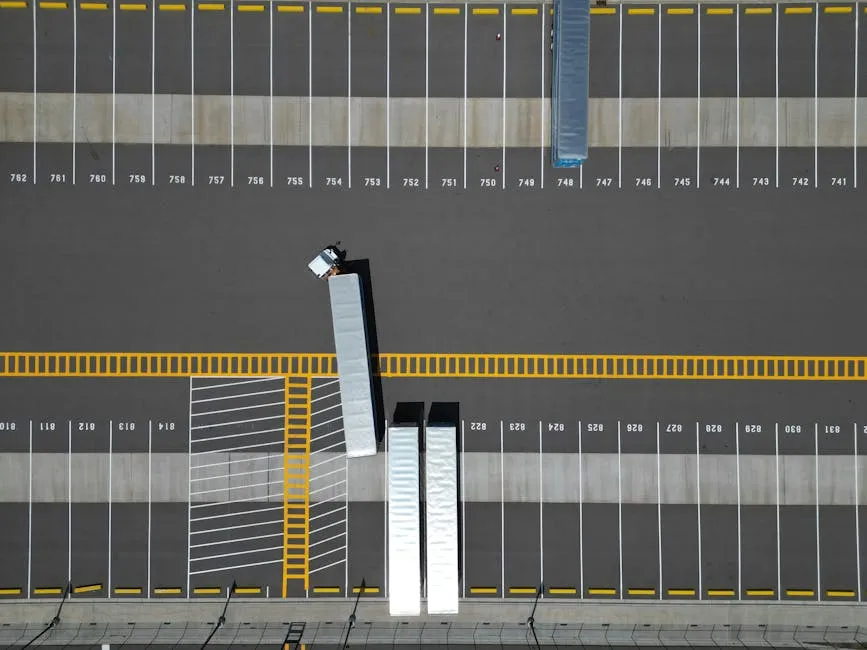
5 Do’s and Don’ts for Boston Asphalt Paving
Discover 5 do's and don'ts for Boston asphalt paving: prioritize drainage, winter prep, maintenance, ADA compliance, and vet contractors for lasting results.
The Complete Guide to Hiring an Asphalt Paving Contractor in Boston
The Complete Guide to Hiring an Asphalt Paving Contractor in Boston is designed to help property managers, facility managers, and business owners make a smart decision before starting a commercial [...]